The Carbon Efficient Planet initiative is Helping Humans’ flagship climate action program dedicated to advancing sustainable development, reducing greenhouse gas emissions, and strengthening climate resilience across India. The initiative integrates clean energy deployment, energy efficiency, low-carbon infrastructure, and nature-based solutions to support India’s transition toward a low-carbon and climate-resilient future.
Through community-led and science-based interventions, the initiative promotes renewable energy adoption, improves energy efficiency, restores degraded ecosystems, and enhances carbon sequestration. It supports local communities through pilot projects, capacity building, and scalable implementation models aimed at curbing carbon emissions while improving environmental and social outcomes.
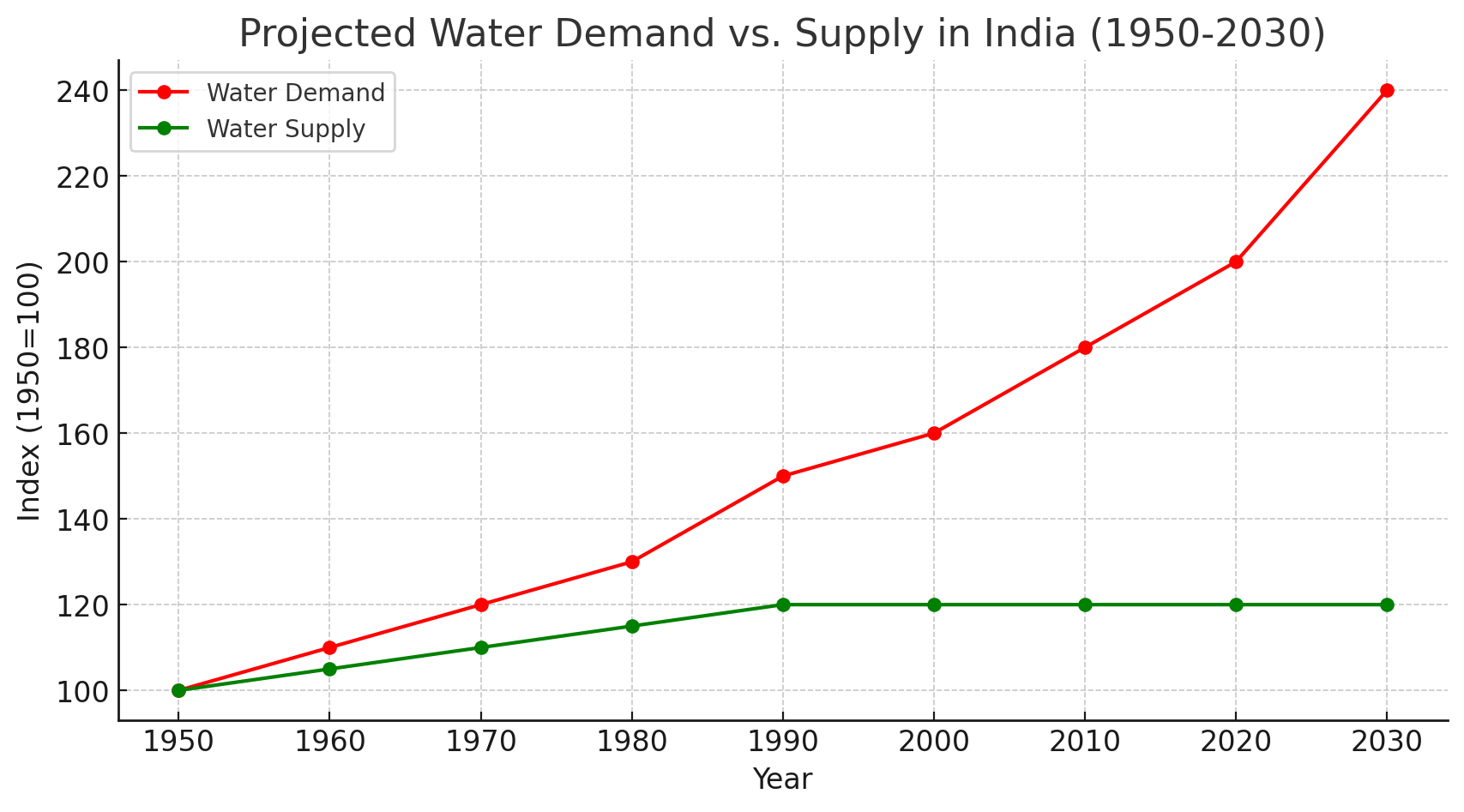
Carbon Efficient Planet operates across all states of India, prioritizing interventions based on climate vulnerability, ecosystem degradation, and development needs rather than carbon-emission share alone. By combining technological solutions with ecosystem restoration, the initiative contributes to national climate commitments, biodiversity conservation, water security, and long-term sustainability for both people and the planet.
Objectives
Reduce greenhouse gas emissions and fossil fuel dependency through clean energy deployment, energy efficiency, and low-carbon infrastructure.
Enhance carbon sequestration and ecosystem resilience through nature-based solutions, biodiversity restoration, and soil regeneration.
Support communities and institutions in transitioning toward net-zero development pathways through emission mapping and climate action planning.
Improve climate resilience and adaptive capacity of vulnerable communities by integrating clean energy, ecosystem restoration, and cooling solutions.
Contribute to India’s Nationally Determined Contributions and global climate goals through measurable climate mitigation and adaptation outcomes.
Net Zero
Climate Mitigation & Low-Carbon Development
The Net Zero sub-initiative under Carbon Efficient Planet supports communities and institutions in transitioning toward low-carbon and net-zero development pathways. It focuses on reducing greenhouse gas emissions through renewable energy deployment, energy efficiency improvements, clean cooking solutions, and climate-smart infrastructure.
The initiative undertakes baseline emission mapping, energy and waste diagnostics, and community-level climate action planning to design measurable emission-reduction pathways. It implements pilot projects such as solar-powered schools and health centers, energy-efficient water and irrigation systems, clean cookstoves, solar cooling solutions, and low-carbon building retrofits.
By integrating technology, data-driven planning, and community engagement, the Net Zero initiative enables measurable greenhouse gas reductions, lowers fossil-fuel dependency, improves energy access, and strengthens climate resilience. It contributes directly to India’s net-zero ambitions and supports ESG-aligned development across rural and urban landscapes.
Preserving Earth
Nature-Based Solutions & Biodiversity Restoration
Preserving Earth is Helping Humans’ nature-based solutions and biodiversity restoration initiative under the Carbon Efficient Planet pillar. It focuses on regenerating degraded ecosystems and restoring natural landscapes to enhance carbon sequestration, biodiversity conservation, water security, and climate resilience.
Through targeted interventions such as native afforestation, urban forests, mangrove restoration, pollinator corridors, soil regeneration, and carbon sink plantations, the initiative restores ecological balance and strengthens ecosystem services essential for both people and wildlife. These interventions improve groundwater recharge, regulate local microclimates, enhance soil health, and create habitats for diverse species.
Preserving Earth prioritizes underdeveloped and ecologically degraded landlocked regions of India, with a long-term goal of conserving and restoring 2 million hectares of degraded land. By combining ecological science with community stewardship, the initiative contributes to long-term environmental sustainability, climate adaptation, and biodiversity recovery.